

What qualities are hospitality recruiters truly looking for?

What qualities do hospitality recruiters really look for?
In hospitality, recruiters assess technical skills as much as a candidate's interaction with teams and clients. Service quality directly depends on demeanor, communication, and the ability to manage sometimes complex situations in demanding environments.
In high-end establishments, these aspects become even more crucial. An employee directly represents the hotel's image through their behavior, responsiveness, and how they manage client relationships.
The most sought-after qualities in hospitality therefore extend far beyond mere operational proficiency. Recruiters primarily look for candidates who can thrive in environments where attention to detail and human interaction are paramount.

Why are soft skills so important in hospitality recruitment?
The hospitality industry operates in environments with constant human interaction. Teams must manage client expectations, coordinate multiple services, and maintain a consistent level of quality despite the fast pace of operations.
In this context, recruiters pay particular attention to soft skills during interviews.
Communication is among the most observed skills. For example, a receptionist must be able to reassure a client facing a room delay while quickly coordinating the situation with housekeeping and operational teams.
Stress management is also an important quality. During a group check-in or a period of high activity, teams must maintain smooth operations and consistent service quality despite operational pressure.
In groups like Four Seasons Hotels and Resorts or Rosewood Hotels & Resorts, recruitment standards place significant importance on candidates' demeanor, communication, and adaptability.
These qualities play a decisive role in employees' progression towards hotel management roles.

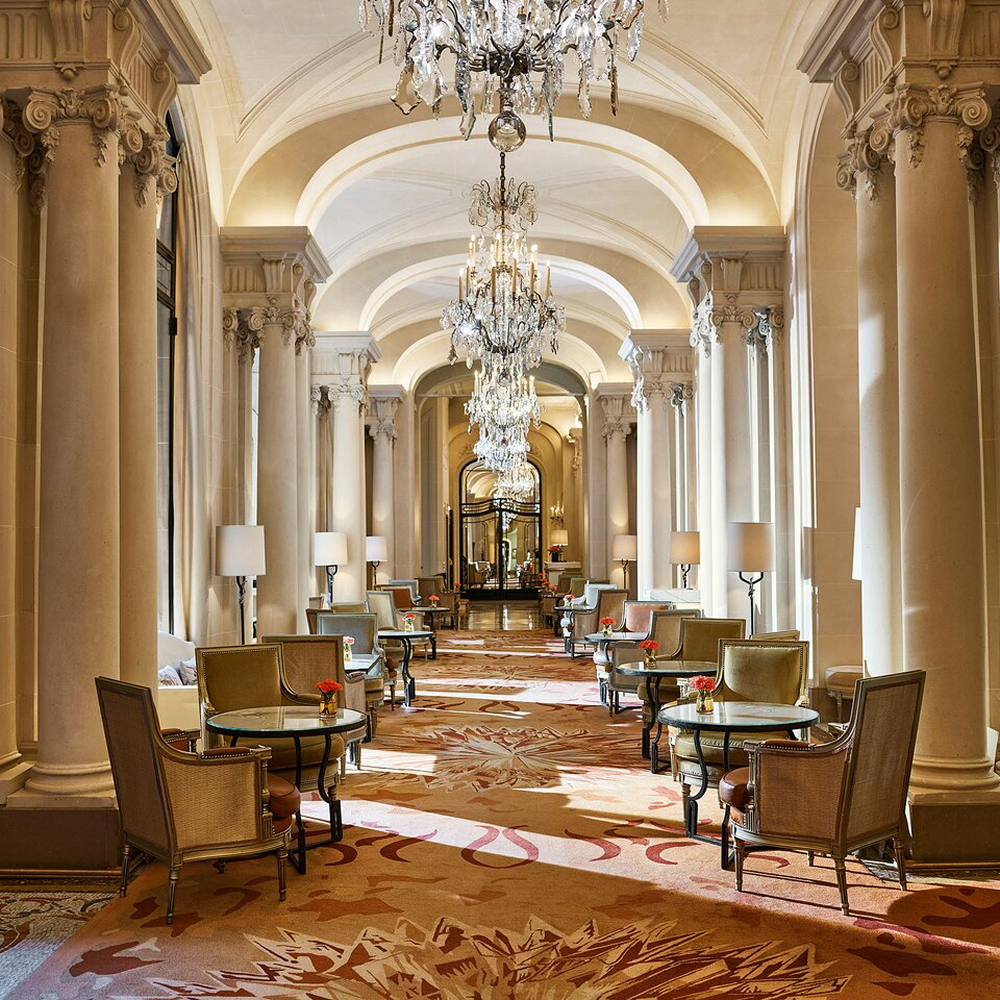
What soft skills truly make a difference in the hospitality industry?
Recruiters look for candidates who can adapt quickly to different environments and to clients with diverse expectations.
Service culture plays an essential role. It often translates into the ability to anticipate certain situations and quickly understand a client's needs without waiting for a problem to arise.
Adaptability is also an important quality. In a hotel, a day can change very quickly depending on the level of activity, unforeseen events, or specific client requests.
Professional presentation and demeanor also play a central role in hospitality recruitment. High-end establishments seek employees who can consistently and discreetly represent the hotel's image.
These soft skills often hold as much importance as technical skills during recruitment.
Many alumni are now working in international groups such as Marriott International, Accor or Mandarin Oriental Hotel Group, where these qualities are particularly valued in management career paths.
How does a hospitality school help develop these skills?
The soft skills sought after in the hospitality industry are gradually developed through hands-on experience, simulations, and interactions with industry professionals.
Students learn, in particular, to work in teams, manage client interactions, and thrive in environments where organization and communication play an important role.
Certain experiences also help to hone professional instincts in contexts close to operational realities. Immersive experiences such as the Château internship , for example, allow students to understand the service standards and interpersonal demands expected in high-end establishments.Interactions with recruiters and companies through Business Hub They also allow students to better understand industry expectations and the most valued skills in recruitment. Students who wish to discover how hands-on experiences and practical simulations contribute to the development of these skills can view the presentation on campus life.
