

Why do luxury hotels invest so much in the guest experience?
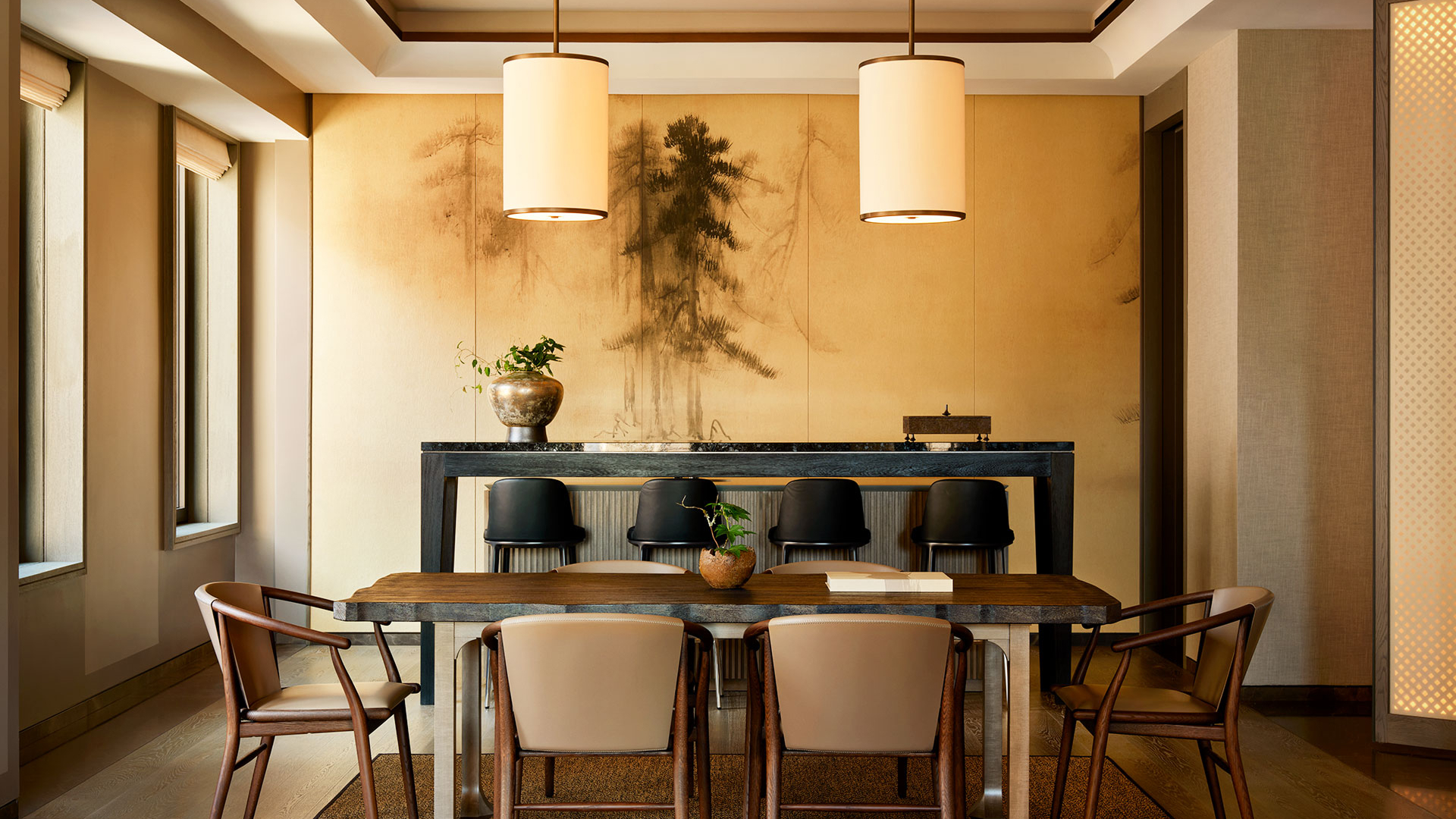
Why do luxury hotels invest so much in customer experience?
In luxury hospitality, the quality of a stay no longer relies solely on the room or the facilities offered by the establishment. High-end groups now aim to build a comprehensive experience that leaves a lasting impression on guests.
This evolution profoundly transforms how hotels approach their operations, organization, and management. Every interaction becomes important, from the guest's arrival to their departure.
In this context, the hotel customer experience becomes a true strategic lever. Premium establishments invest heavily in personalization, service quality, and staff training to maintain standards that meet the demands of an increasingly discerning clientele.
Why has customer experience become central to luxury hospitality?
Luxury hospitality operates in a highly competitive environment where several establishments offer very similar levels of comfort.
The difference is therefore primarily built around the customer's experience and the teams' ability to create a seamless, consistent, and personalized stay.
In some hotels, for example, teams prepare for guests' preferences before their arrival. Room type, dietary habits, reservation times, or stay-related preferences are all integrated to tailor the experience from the very first interactions.
This attention to detail directly influences the perception of service.
At Cheval Blanc or Aman , the customer experience is precisely based on this ability to offer an extremely personalized service while maintaining an impression of fluidity and discretion.
In these establishments, luxury often relies more on the quality of attention given to the guest than on the visible display of service.
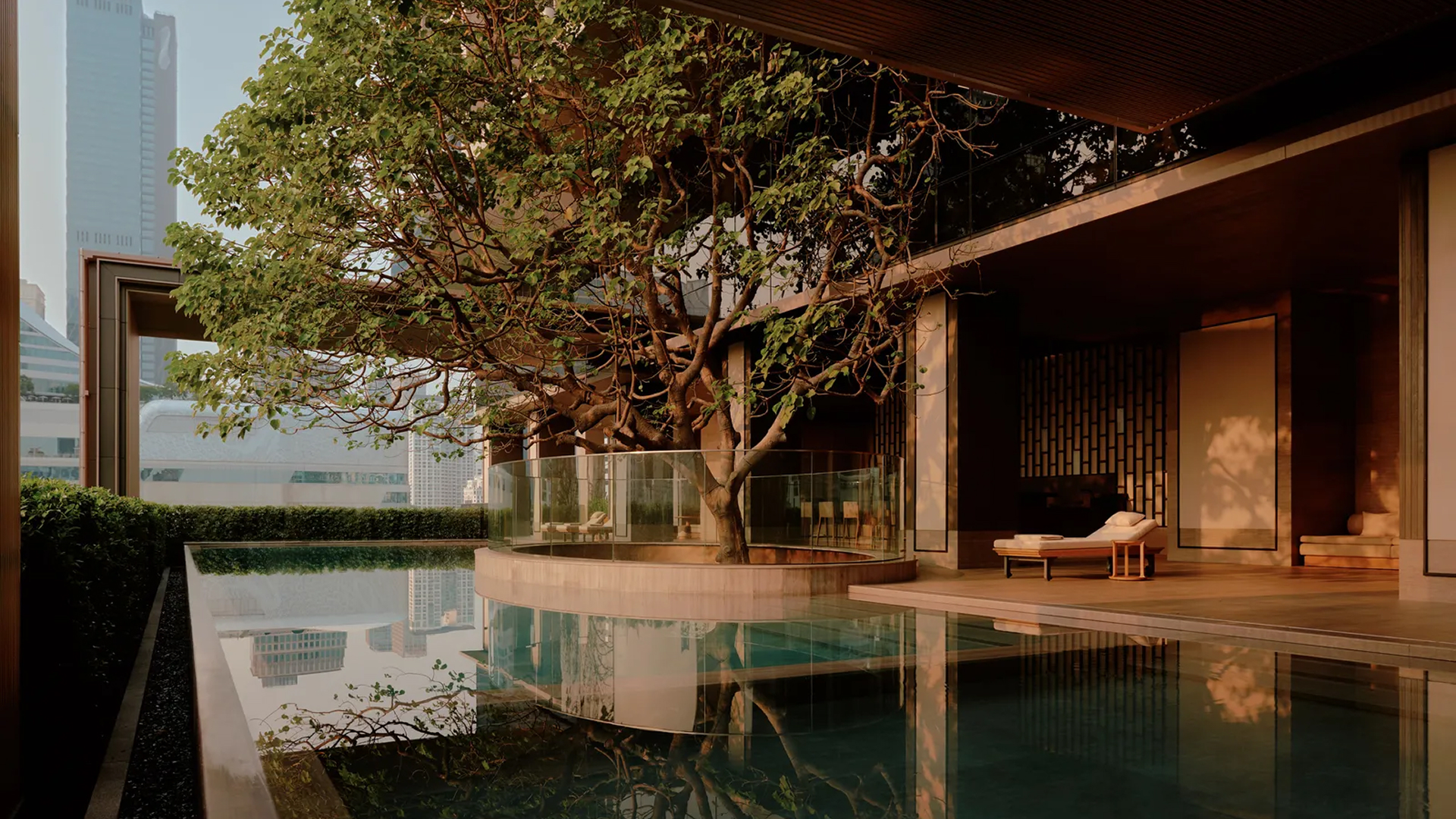
How do service standards structure operations?
Service standards play a central role in the operation of premium hotels. They ensure consistency across teams and maintain a constant level of quality despite the fast pace of operations.
In a luxury hotel or high-end resort, every detail holds particular importance. The timing of room service, coordination between reception and housekeeping, and how an unexpected request is handled directly influence the guest experience.
These standards require strong coordination between departments.
For example, when a VIP guest arrives earlier than expected, several teams must react immediately to prepare the room, adjust certain services, and organize the welcome within a very short timeframe.
This execution capability relies on teams trained for environments where precision and anticipation are paramount.
Groups like Four Seasons Hotels and Resorts or Mandarin Oriental Hotel Group are often cited for their ability to maintain exceptionally high service standards across all their properties.
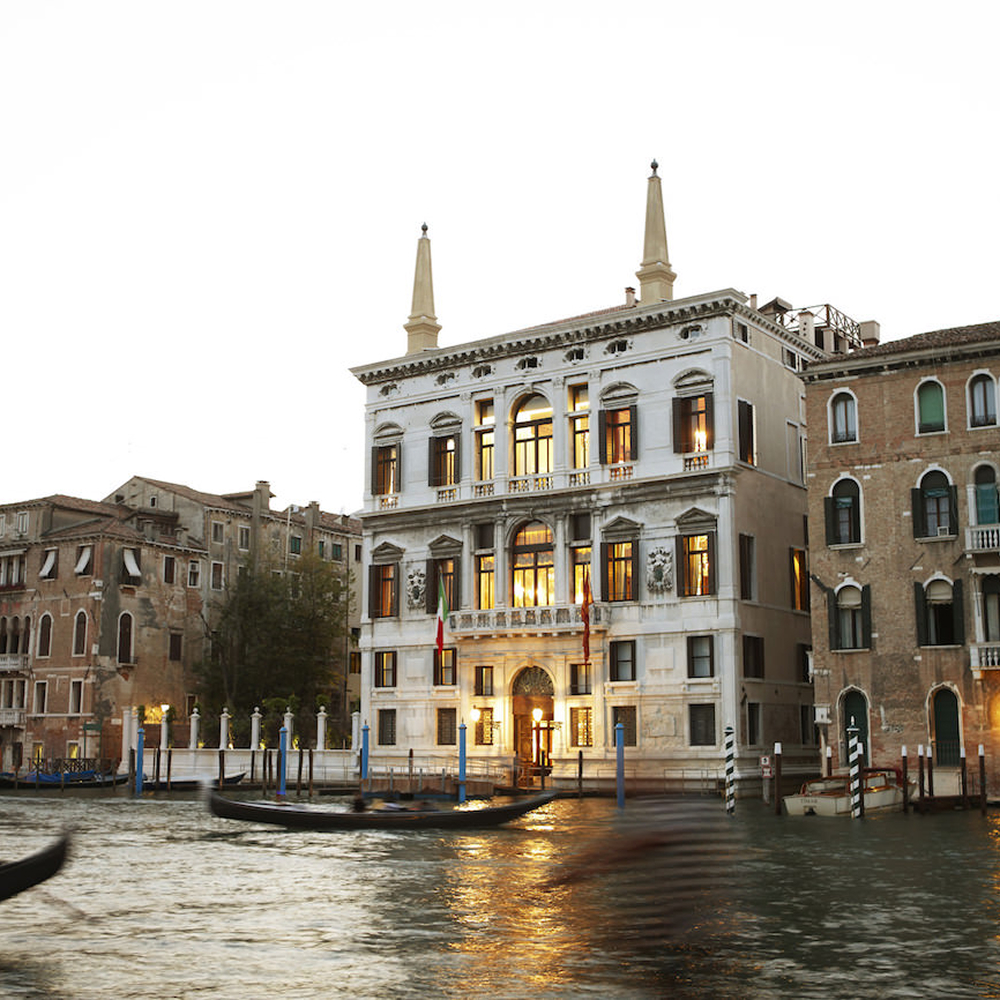
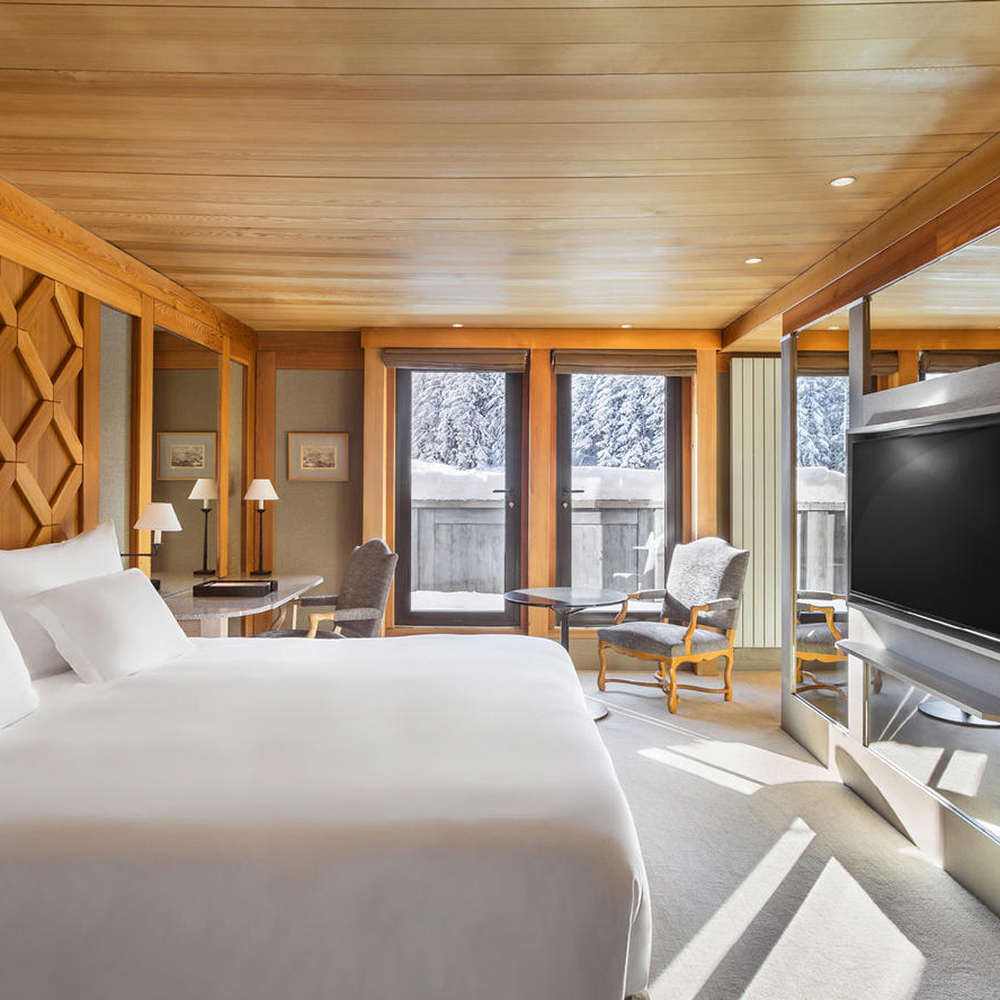
How does a hospitality school prepare students for the demands of luxury?
Luxury hospitality demands a precise understanding of guest expectations, operational procedures, and management standards specific to the premium sector.
Training programs focused on luxury hospitality generally combine academic instruction, practical experience, and simulated scenarios to gradually prepare students for these demanding environments.
Students learn, in particular, to understand the codes of high-end service, team coordination, and the importance of attention to detail in the daily management of properties.
Certain immersive experiences, such as the Château internship allow students to gain practical insight into the operational and relational demands expected in premium environments. Students also thrive in environments connected to industry players through exchanges developed via the corporate network, which provide a better understanding of recruiters' expectations in luxury hospitality. Students who wish to learn how field experiences and simulations gradually prepare them for careers in premium hospitality can consult the presentation on campus life.
